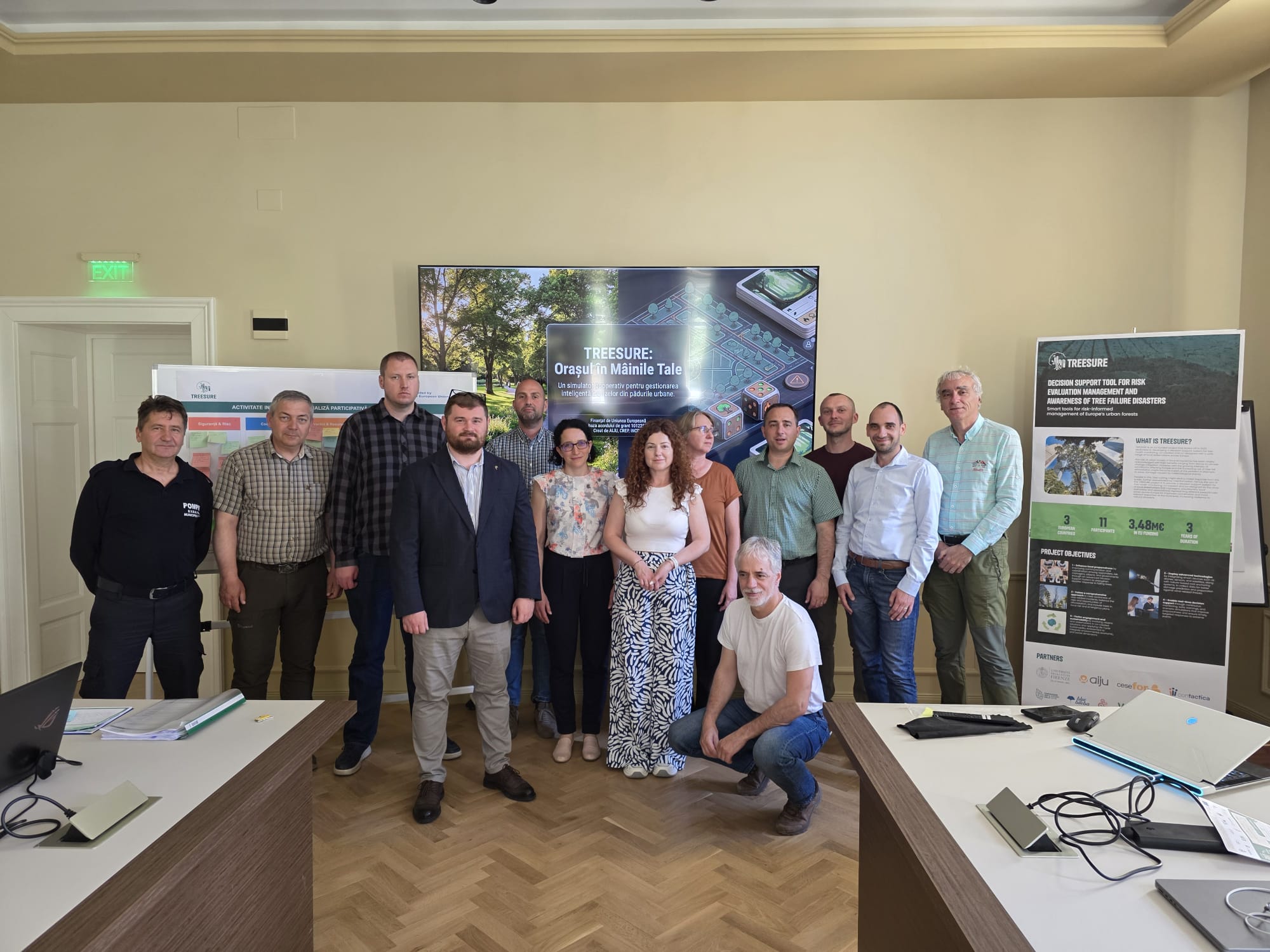



BRAȘOV – How can cities better prepare for tree-related disasters and improve coordination during emergency situations? This was the central question explored during two stakeholder workshops organized by the TREESURE project in Brașov, Romania, on 26–27 May 2026.
Hosted by the National Institute for Research and Development in Forestry “Marin Drăcea” (INCDS), with the support of Transilvania University of Brașov, the workshops brought together local stakeholders, experts, and project partners to discuss the challenges of urban tree risk management and test innovative approaches to disaster preparedness.
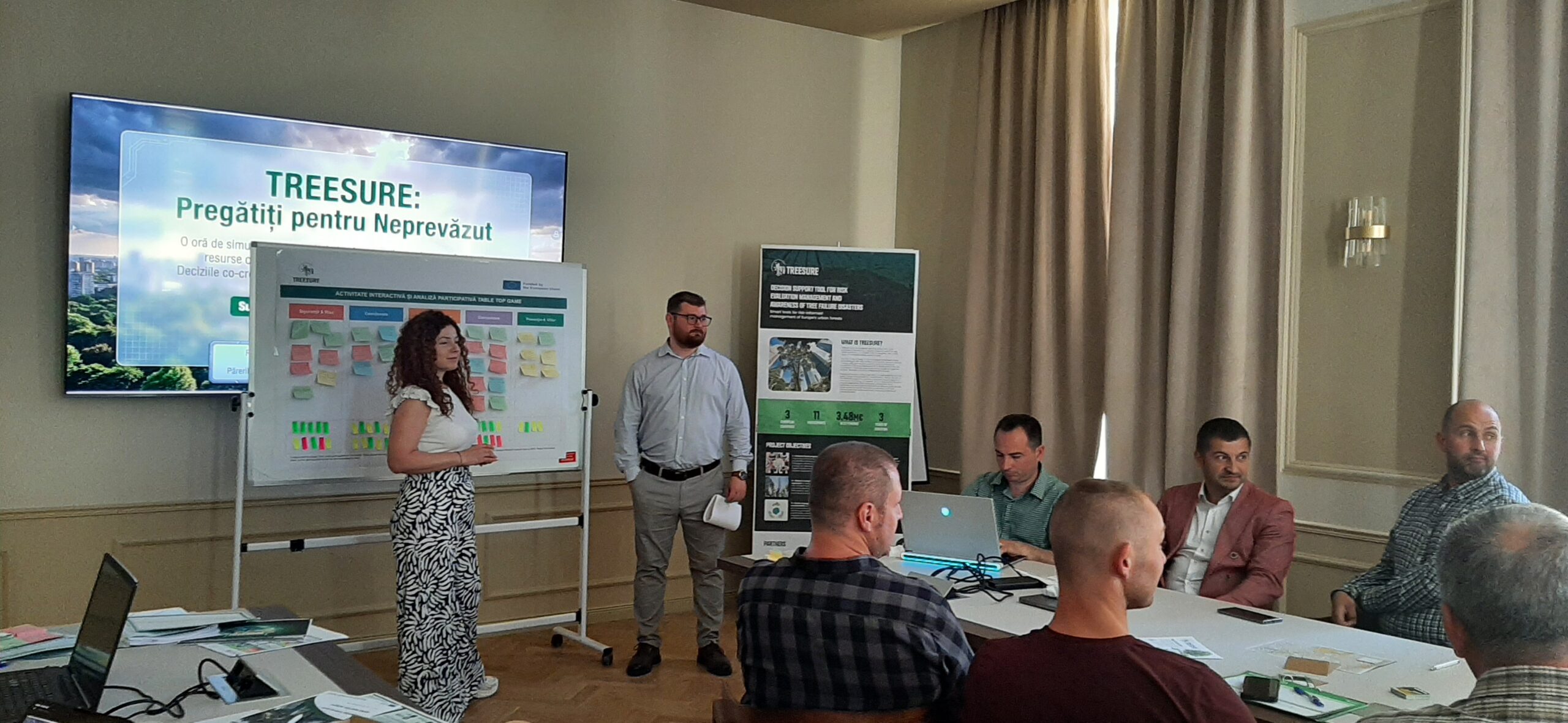
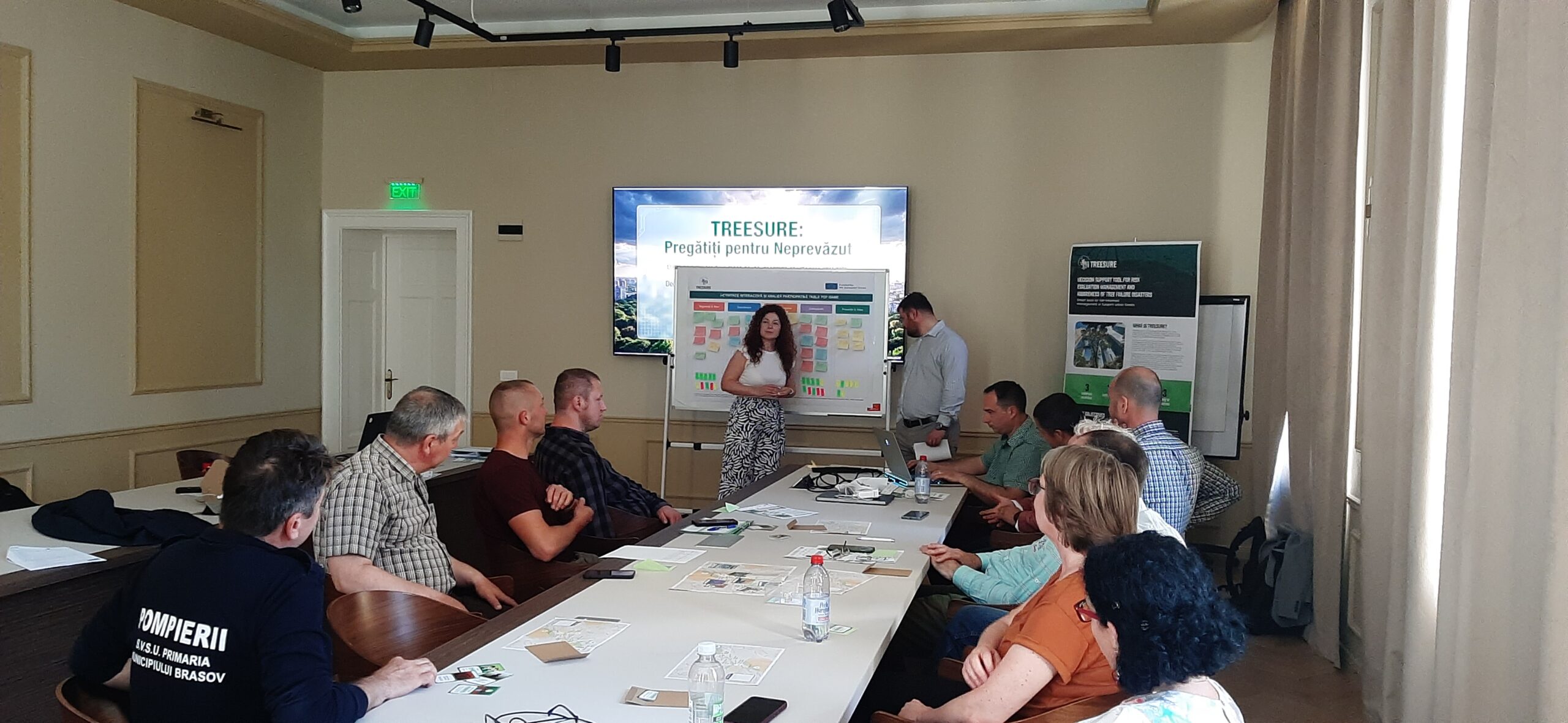
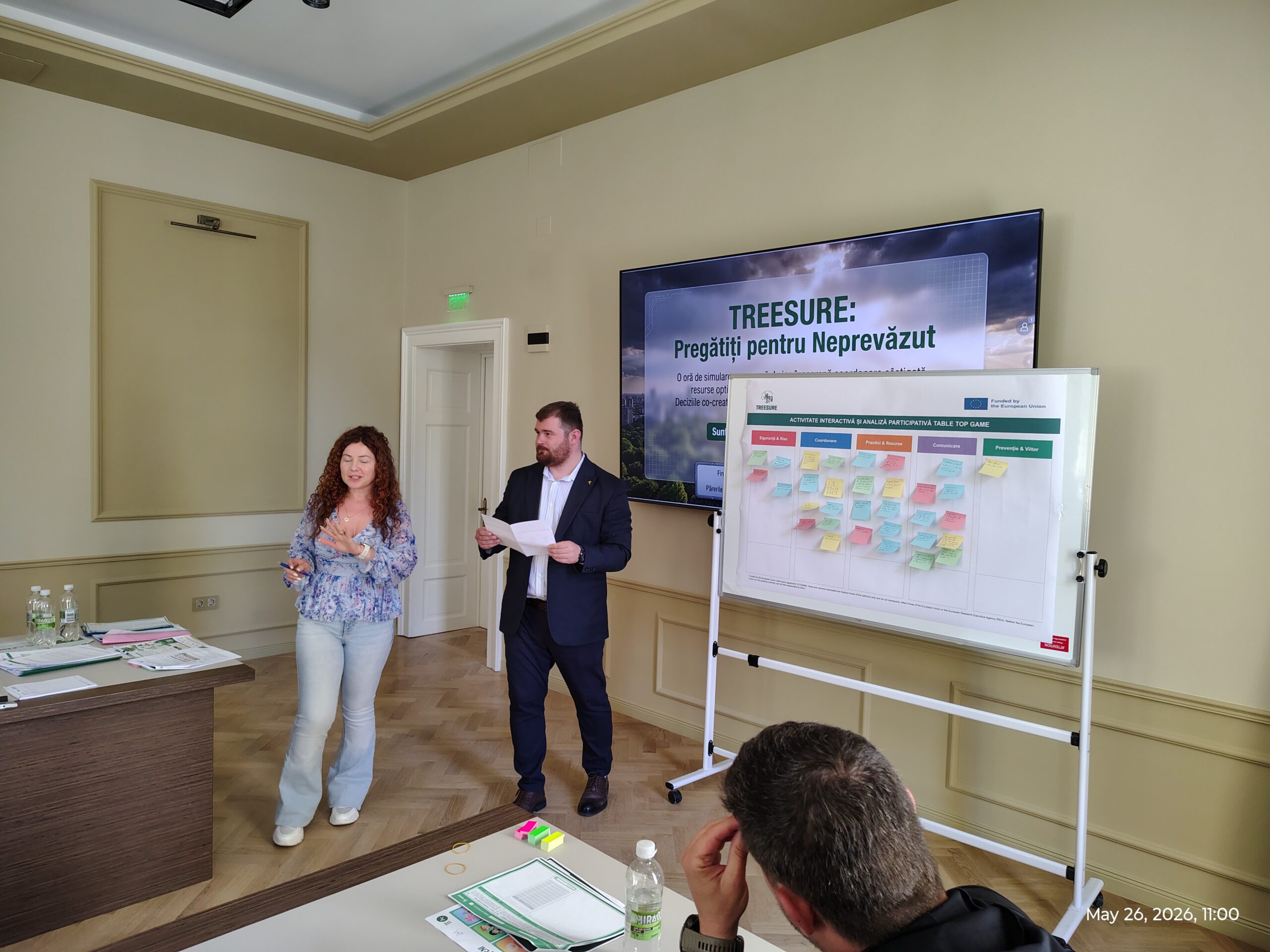
The events began with an introduction to the TREESURE project, its objectives, and its vision for improving how cities assess, manage, and communicate risks associated with tree failure. Participants learned about the project’s Decision Support System and the role that stakeholder engagement plays in developing practical, user-centred solutions for safer and more resilient urban environments.
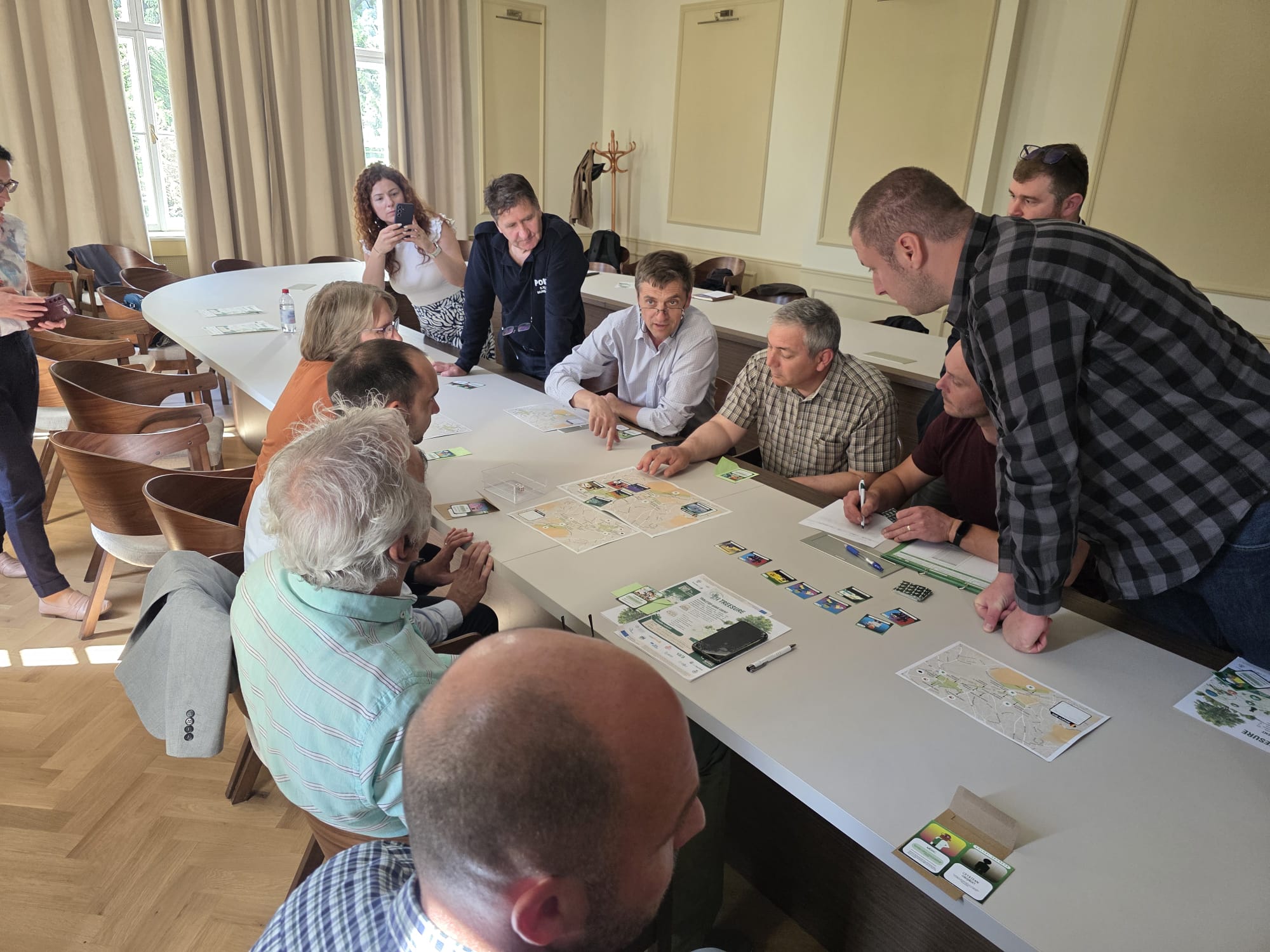
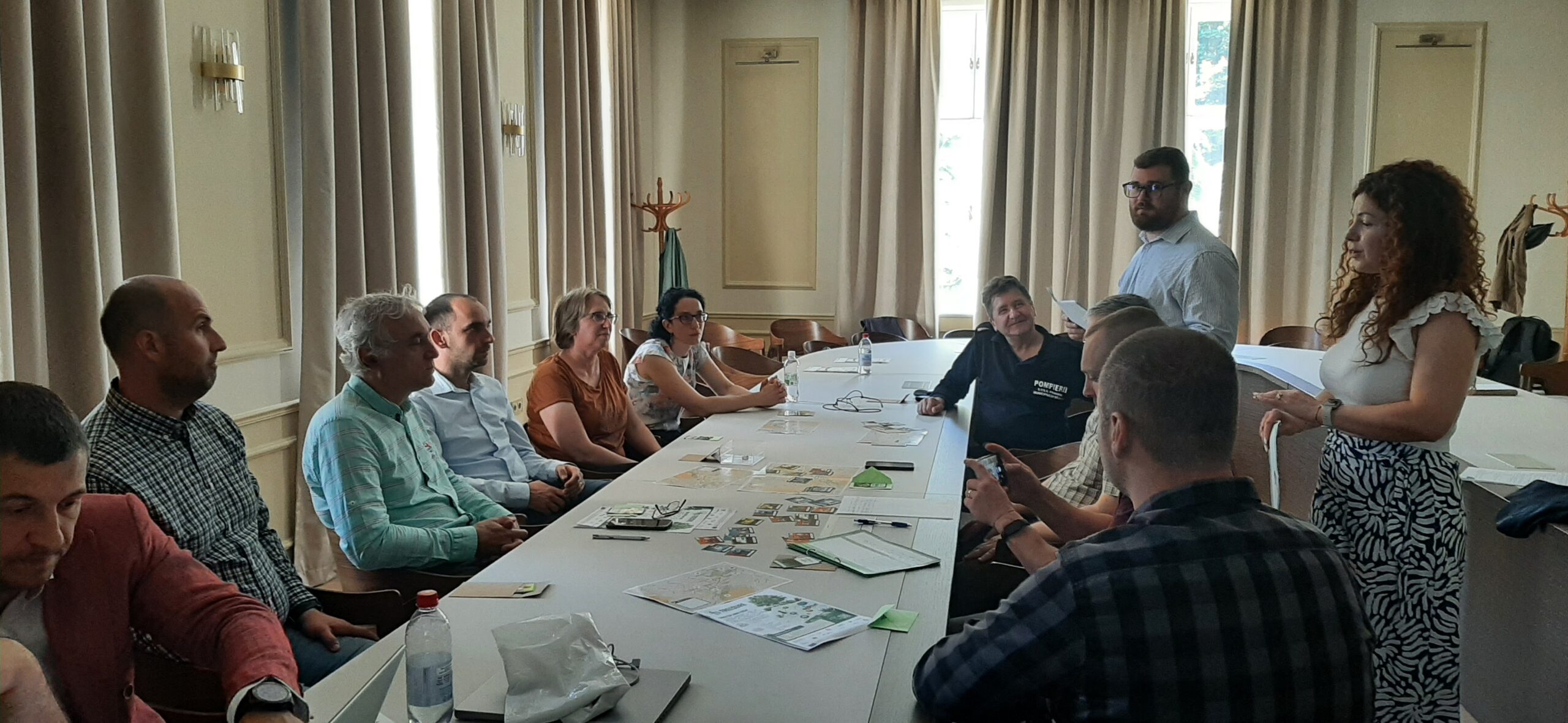
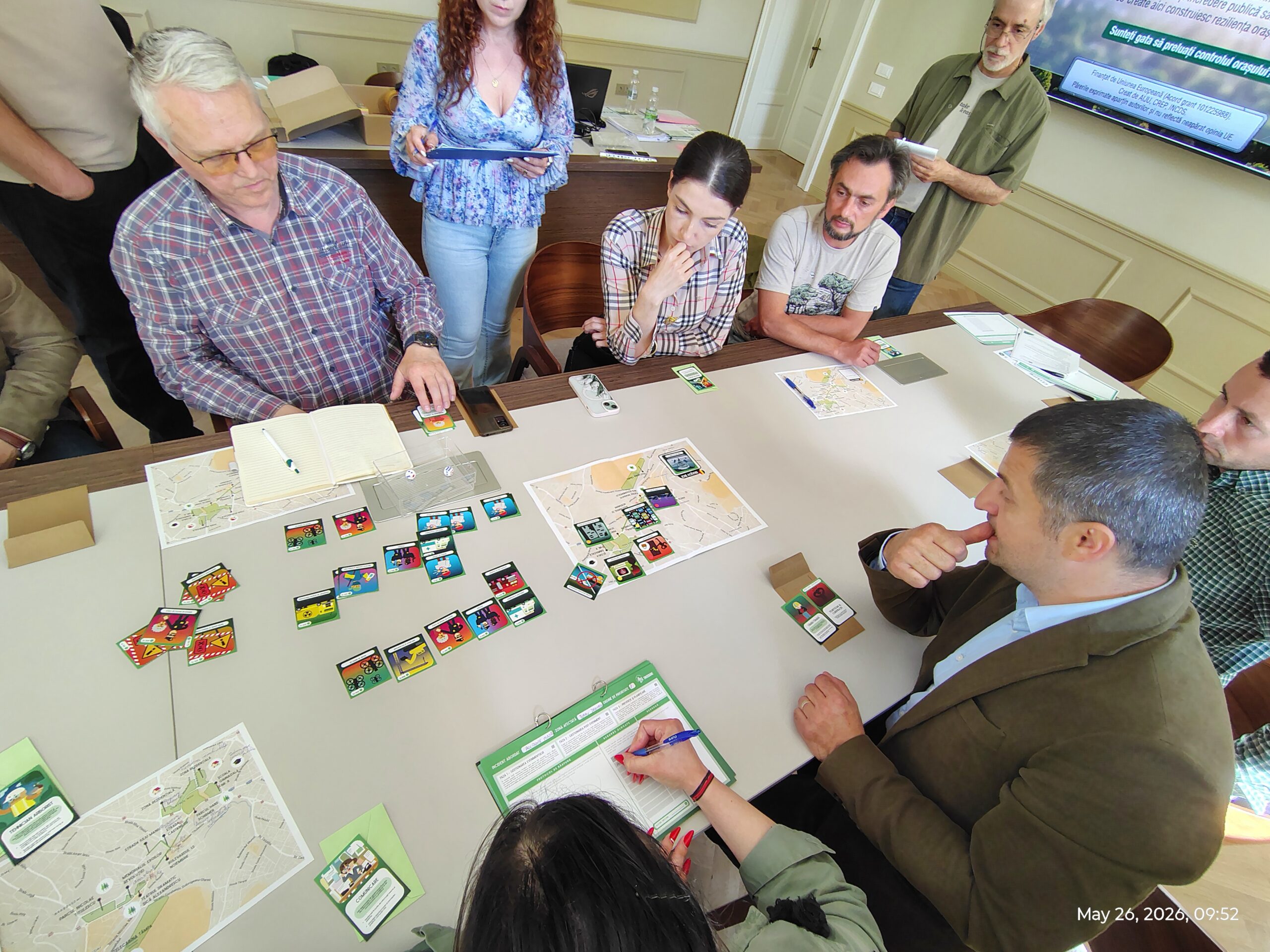
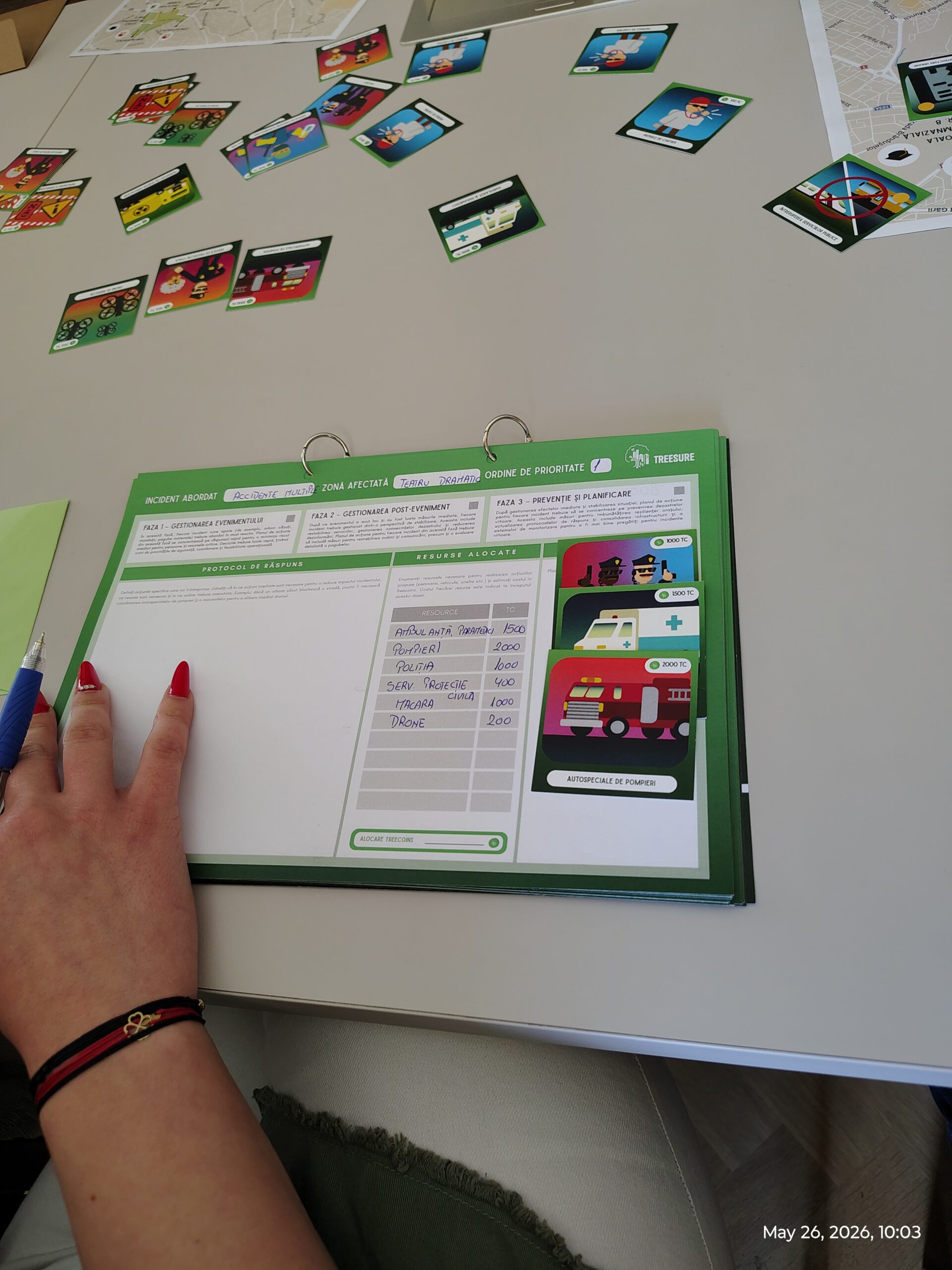
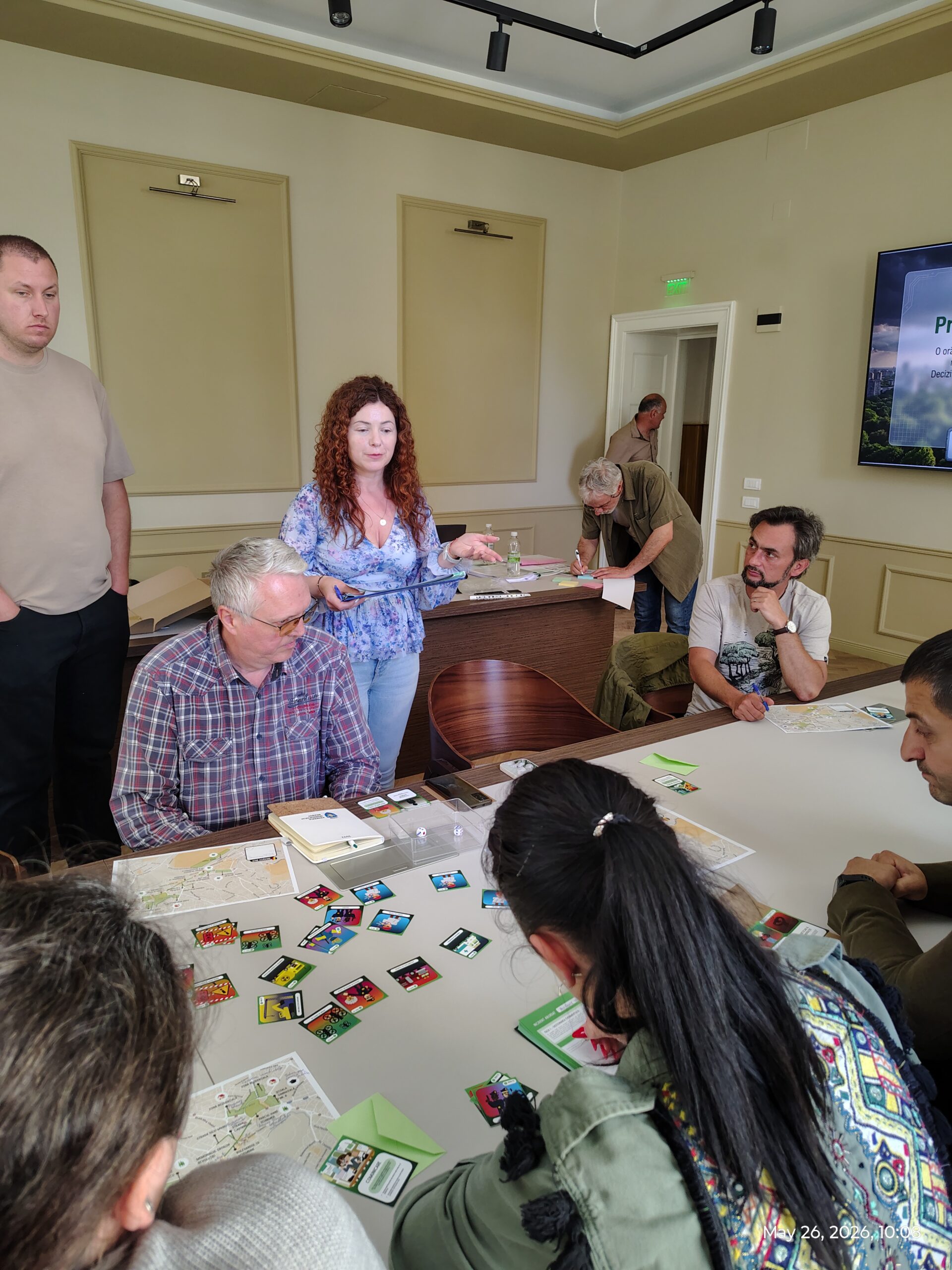
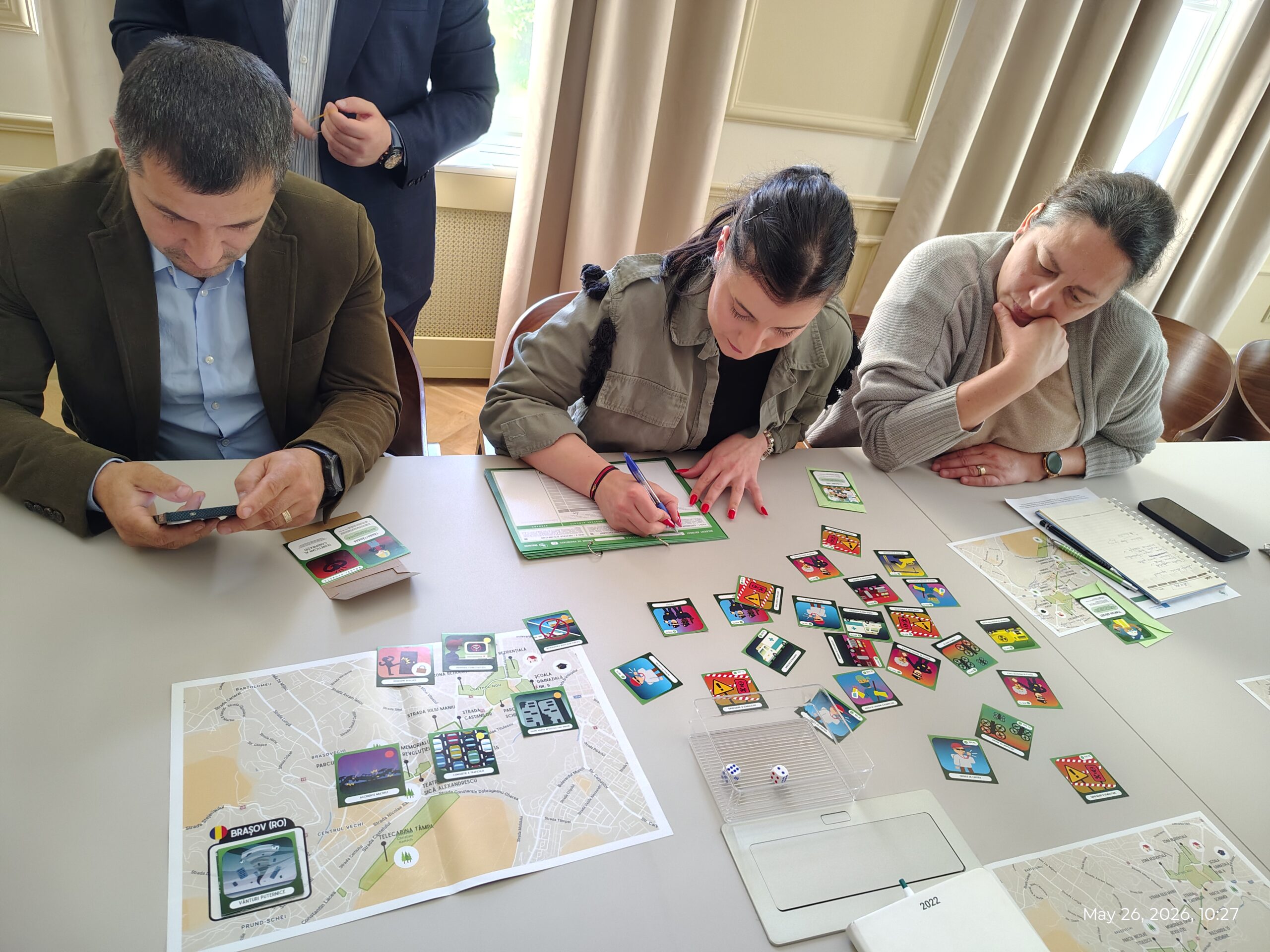
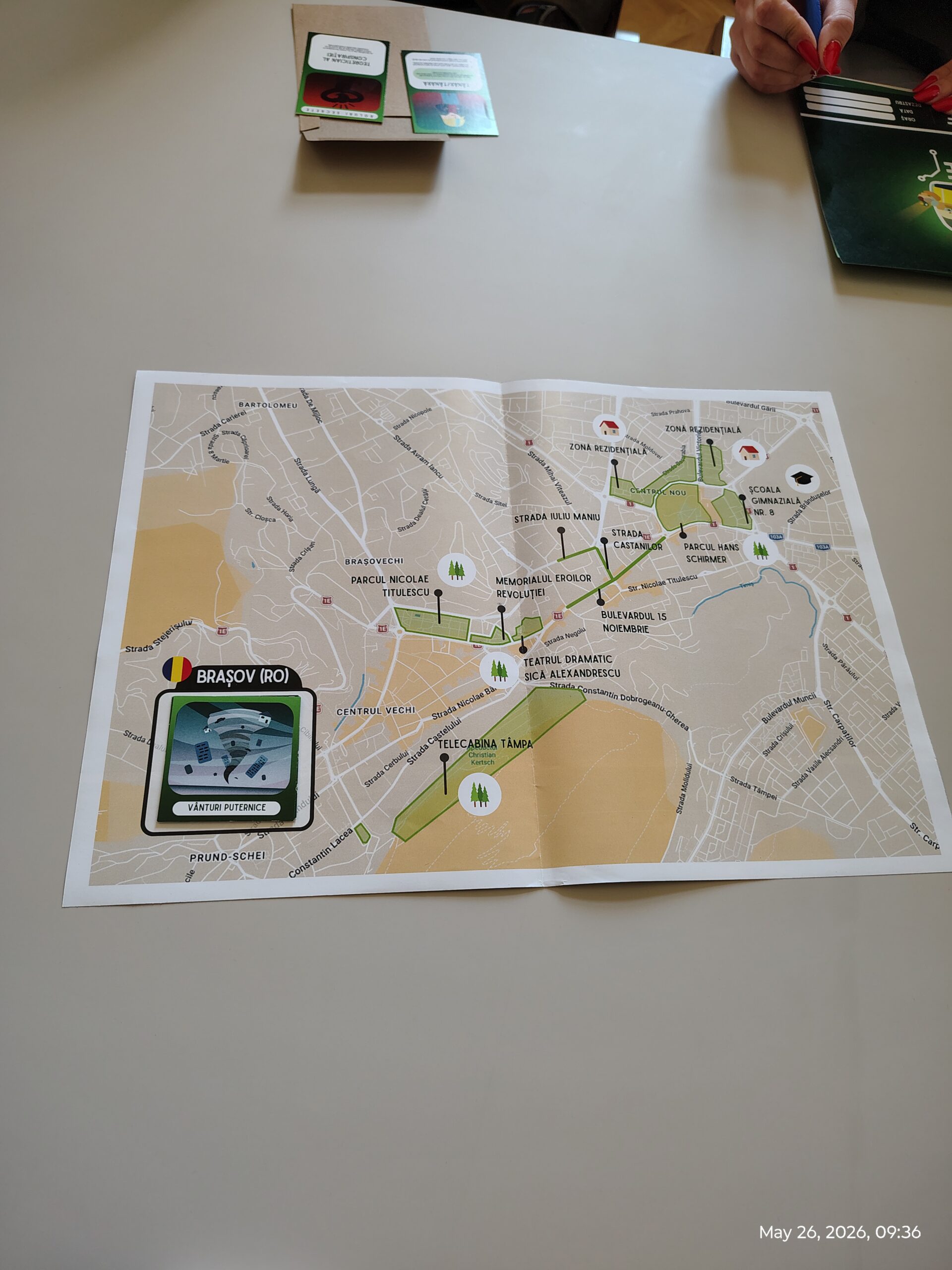
A key feature of the workshops was the TREESURE Table Top Game, an interactive simulation designed to recreate realistic disaster scenarios involving urban trees. Participants assumed different roles, ranging from institutional decision-makers to citizens, and worked together to manage incidents, allocate resources, prioritize interventions, and coordinate emergency responses.
The exercise provided a unique opportunity to observe how decisions are made under pressure, how information flows between different actors, and how communication and collaboration influence the effectiveness of emergency management. By encouraging participants to step into unfamiliar roles, the simulation also helped reveal different perspectives and foster a deeper understanding of the challenges faced by various stakeholders during crisis situations.
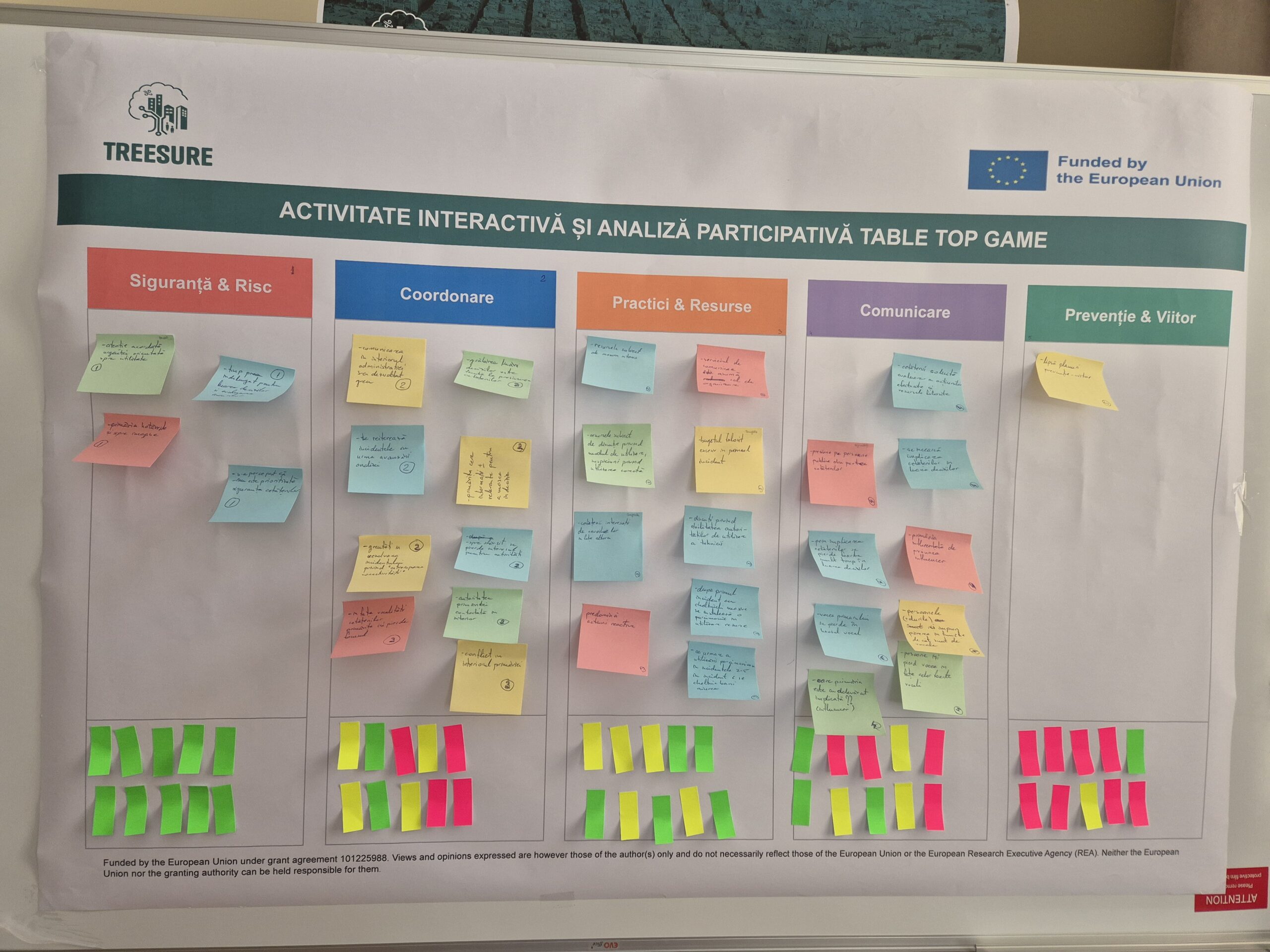
Following the game, participants took part in a structured reflection session, sharing their observations and feedback on topics such as safety and risk management, coordination, communication, operational practices, and future prevention strategies. These discussions generated valuable insights that will contribute to the ongoing development of TREESURE tools and methodologies.
A total of 20 stakeholders participated across the two workshop sessions, alongside project team members. The engagement level throughout the activities was high, with participants actively contributing ideas, discussing local challenges, and identifying opportunities for improved cooperation among institutions and communities.
One of the most encouraging outcomes was the positive response to the interactive approach. While some participants initially expressed uncertainty about using a game-based methodology, feedback collected at the end of the workshops highlighted the value of the experience in promoting learning, dialogue, and collaborative problem-solving.
The Brașov workshops mark an important milestone in TREESURE’s stakeholder engagement activities. The knowledge gathered during these sessions will help shape future project developments and ensure that the solutions created respond to real-world needs and operational realities.
As the project moves forward, TREESURE will continue working closely with stakeholders across its case study regions, strengthening cooperation and building the knowledge needed to enhance urban resilience to tree-related risks and disasters.